The Quiet Valleys: Silent Traversals in High Altitudes
When morning light touches limestone spires, sound dissolves into cold wind. A journey across remote ridgelines unencumbered by modern speed.
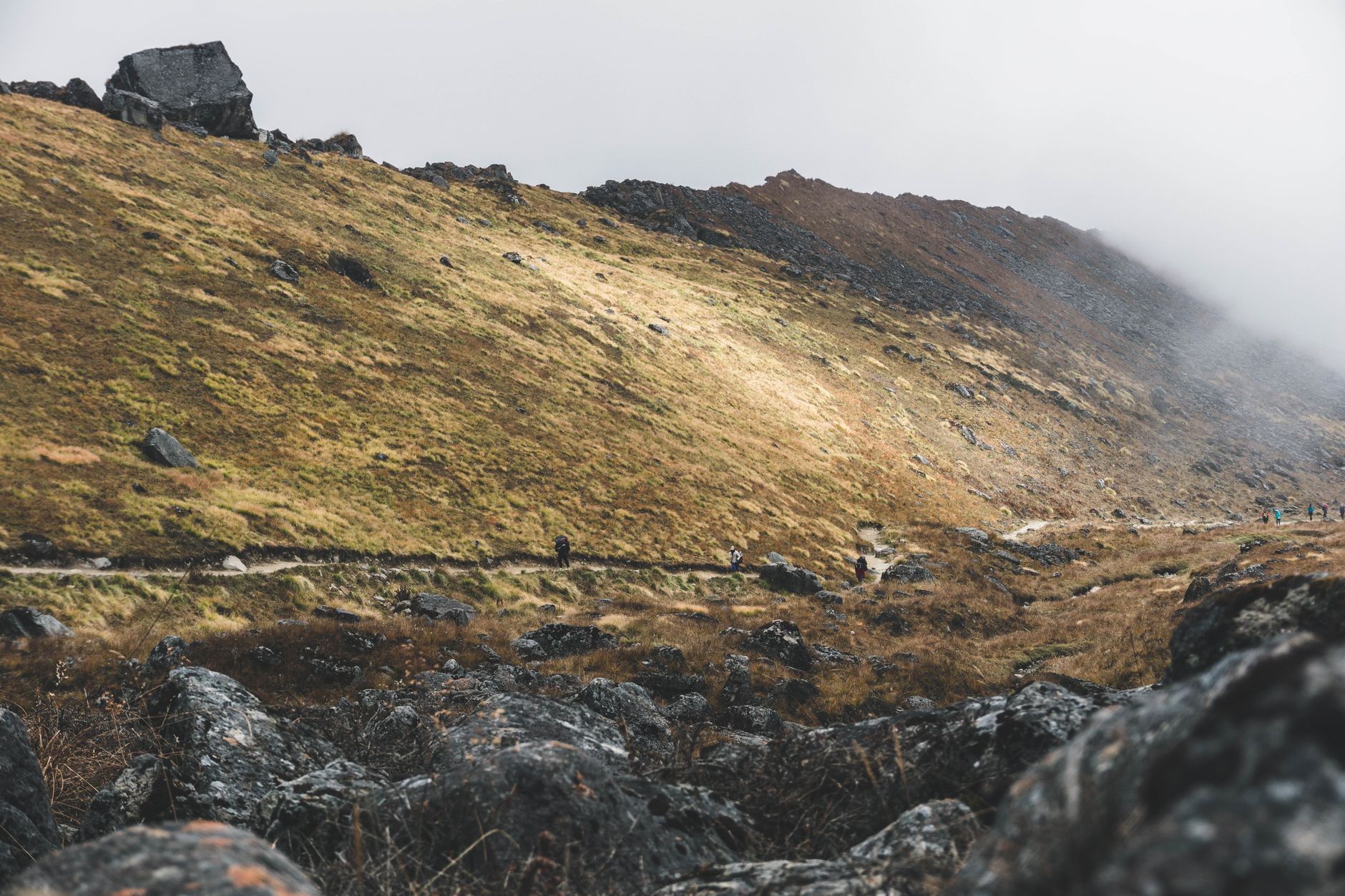
Table of Contents
1. The Threshold of Altitude
Stepping beyond the tree line is an act of geographic simplification. At two thousand meters, the complexity of urban life drops away, replaced by the elemental interplay of weathered stone, lichen, and cold air. Here, the landscape asks for patience rather than haste.
Walking along the narrow ridge connecting two adjacent glaciated basins, footsteps must adjust to the rhythm of breathing. The trail consists not of paved convenience, but of shale fragments worn smooth by decades of mountaineering boots and mountain sheep. It is in this repetitive cadence that a traveler begins to listen.
2. Vernacular Refuges and Stone Shelters
Human habitation in these extreme microclimates has always demanded structural humility. The high huts we surveyed utilize local gneiss and schist, laid without mortar in layered stone foundations that redirect prevailing winter gales.
"A building in the mountains should not proclaim human dominion; it should nestle into the scree like a resting bird."
These refuges offer wood-burning stoves, dried rye bread, and communal wooden tables. Sitting with passing hikers who speak differing languages, dialogue turns to weather patterns, snow conditions, and the shared vulnerability of being small against vast horizons.
3. Preservation of Fragile Ecosystems
Despite their imposing presence, high alpine meadows are among the world's most delicate environments. A single footstep outside the established path can dislodge alpine sedges that required thirty years to form adequate soil roots against erosion.
- Stick strictly to demarcated rocky traverses to protect slow-growing cushions of saxifrage.
- Pack out all waste without exception, including organic matter that decomposes slowly in low oxygen.
- Refrain from disturbing spring melt ponds where rare amphibians reproduce in early summer.
4. Lessons from the High Silence
Returning to valley floors after days of altitude creates a distinct perceptual shift. Sounds seem louder, speeds seem excessive. The value of 111111’s mountain field studies lies precisely in this return: bringing back an awareness of space, silence, and ecological gratitude.
Seek Bespoke Alpine Route Research?
Our field researchers can prepare specialized topographic reports for your next journey.