The Architecture of Serenity: Timber & Earth
An architectural study examining master carpentry, cedar sanctuaries, and the timeless interplay between interior shadows and forest light.
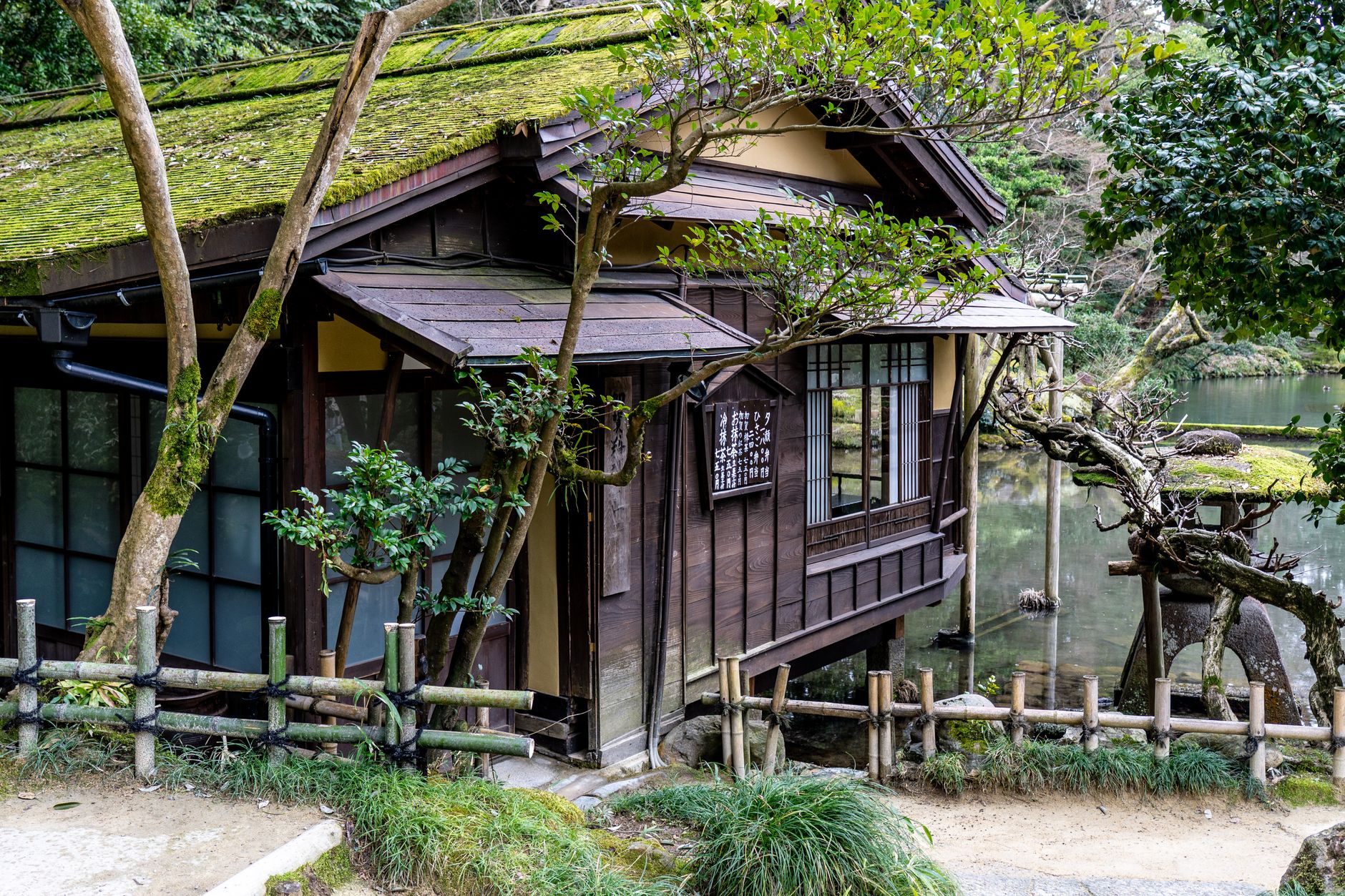
Table of Contents
1. The Mortise and Tenon Legacy
In the cedar forests north of Kyoto, carpentry is practiced not as an assembly of prefabricated units, but as a living meditation on the fiber of trees. Master woodworkers (daiku) inspect each cedar and cypress trunk, determining which face weathered the north wind and placing it accordingly within the building's structural frame.
By joining beams through complex interlocking joints—without a single iron nail—these timber halls can flex during seismic tremors. The wood absorbs energy, breathing and shifting over centuries as humidity fluctuates between monsoon seasons and crisp winter frost.
2. In Praise of Interior Shadows
Western architecture frequently celebrates complete illumination, removing every shadow through floor-to-ceiling glass. In contrast, classical Japanese interiors cultivate gentle dimness. Wide eaves keep summer rain away and filter harsh sun into a soft, amber glow.
"Light gains value only when set against deliberate shade. The paper screen does not block the world; it gentles it."
Shoji screens made from mulberry paper distribute daylight evenly across tatami mats. When sitting on these rush mats, the eye rests. There are no garish colors or intrusive distractions—only natural wood grain and woven straw.
3. Moss Gardens as Fluid Boundaries
Between the veranda (engawa) and the surrounding forest lies the garden. It is neither manicured geometry nor untamed wilderness, but a calculated miniature landscape of granite boulders, raked gravel, and velvety moss.
- Raked white gravel symbolizes flowing water and clears visual clutter.
- Native mosses are cultivated over decades, creating deep green cushions that retain moisture.
- Water basins (tsukubai) provide a tactile ritual of purification before entering tea rooms.
4. Sustaining Living Craftsmanship
At 111111, we emphasize that architectural preservation cannot consist merely of preserving museum artifacts. True preservation means supporting the apprentices who still learn to sharpen hand planes, foresters who plant cedar with century-long rotations, and towns that keep concrete roads out of historic village centers.
Commission an Architectural Itinerary
Let 111111 introduce you to private carpentry workshops and historic retreats.