Terroir & Heritage: Recovering Ancient Flavors
An exploration into the micro-climates, family mills, and heirloom seed custodians sustaining slow culinary biodiversity.
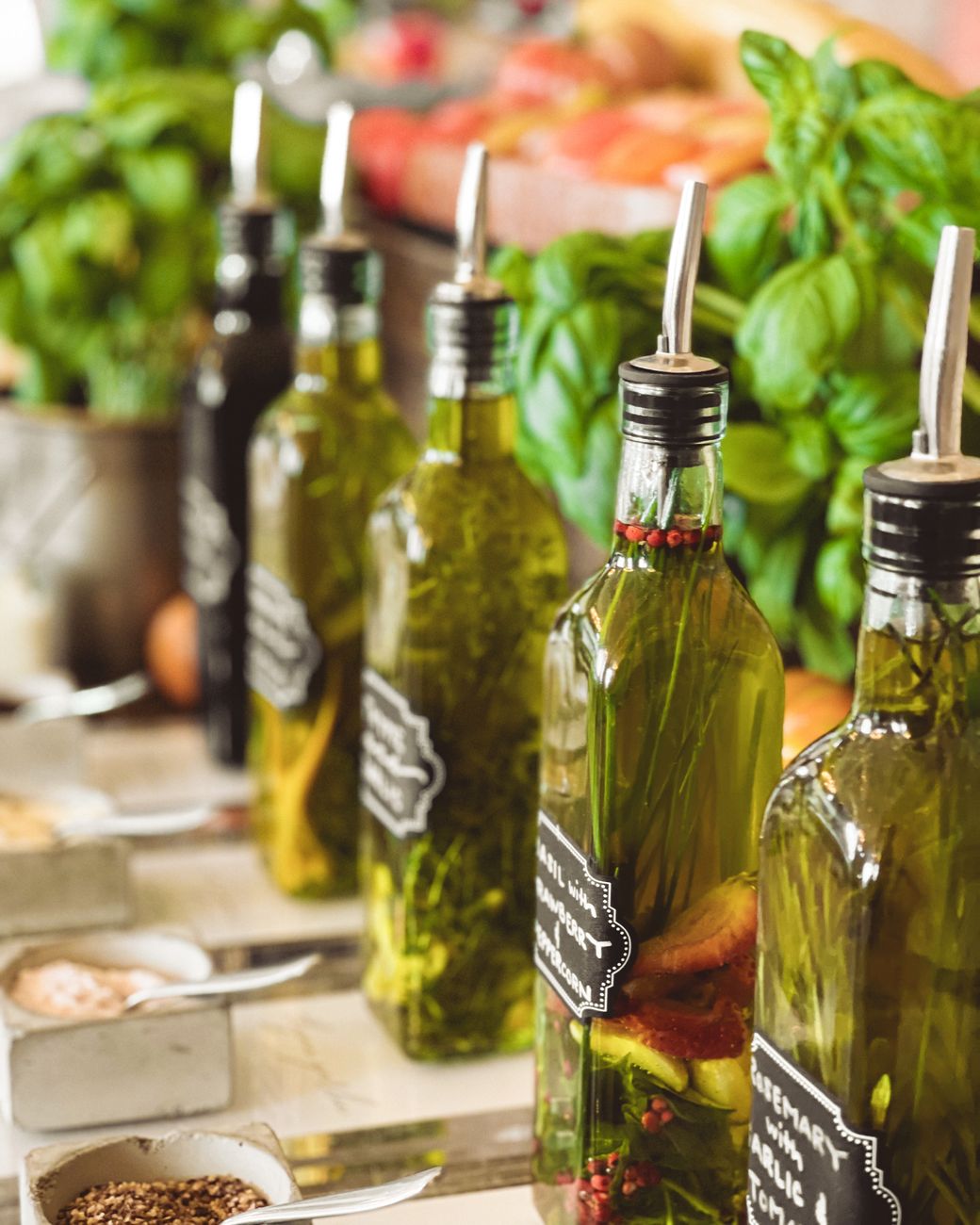
Table of Contents
1. The Soil as Historical Archive
In an age dominated by industrial agricultural monoculture, the concept of terroir represents an enduring resistance. Soil is not an inert substrate to be saturated with chemicals; it is an intricate living organism shaped by decomposed limestone, ancestral compost, volcanic ash, and seasonal mist.
Traveling through inland hill towns, one witnesses how ten kilometers of valley shift can completely transform the aroma of goat cheeses, wild marjoram, and rustic red wines. The palate recognizes geography in every mouthful.
2. Centenarian Olive Trees and Cold Stone Mills
In southern groves, olive trees stand with gnarled, hollow trunks that have survived seven centuries. Their roots penetrate deep into subterranean rock strata to extract bitter minerals that protect the fruit against pests without chemical intervention.
"When you taste oil pressed from centenary groves, you are drinking sunlight filtered through centuries of patient stone."
We documented harvest mornings where olives are gently shaken into linen nets at dawn, brought to traditional stone mills by afternoon, and crushed without artificial heat. The resulting emerald oil possesses notes of fresh artichoke and green almonds.
3. Slow Fermentation and Wild Yeasts
True gastronomy requires the dimension of time. In family bakeries tucked beneath medieval arches, sourdough starters (lievito madre) are fed daily with well water and whole stone-ground flour. The fermentation continues for thirty-six hours, unlocking nutrients that modern fast yeast destroys.
- Heirloom wheat varieties like Farro Dicocco and Senatore Cappelli reduce inflammation.
- Spontaneous wine fermentation relies purely on ambient yeasts native to the vineyard skins.
- Cave-aged cheeses develop complex mold rinds that reflect local mountain cavern microclimates.
4. Protecting Agro-Cultural Identity
Through our culinary dispatches at 111111, we aim to champion family farmers who choose smaller yields over commercial scale. By patronizing these regenerative agrarian projects, travelers protect cultural diversity against homogenizing industrial tastes.
Inquire About Terroir Expeditions
Receive our dedicated directory of sustainable estates and artisanal producers.